%20%20--%3E%0A%3Csvg%20version%3D%221.1%22%20xmlns%3D%22http%3A%2F%2Fwww.w3.org%2F2000%2Fsvg%22%20xmlns%3Axlink%3D%22http%3A%2F%2Fwww.w3.org%2F1999%2Fxlink%22%20x%3D%220px%22%20y%3D%220px%22%0A%09%20viewBox%3D%220%200%20765.5%20200%22%20style%3D%22enable-background%3Anew%200%200%20765.5%20200%3B%22%20xml%3Aspace%3D%22preserve%22%3E%0A%3Cstyle%20type%3D%22text%2Fcss%22%3E%0A%09.st0%7Bfill%3A%23231F20%3B%7D%0A%09.st1%7Bfill%3A%23939598%3B%7D%0A%09.st2%7Bfill%3A%23FFFFFF%3B%7D%0A%09.st3%7Bfill%3A%23111111%3B%7D%0A%09.st4%7Bfill%3A%23F15A24%3B%7D%0A%09.st5%7Bfill%3A%236D6E71%3B%7D%0A%3C%2Fstyle%3E%0A%3Cg%20id%3D%22Template%22%3E%0A%3C%2Fg%3E%0A%3Cg%20id%3D%22Layer_2%22%3E%0A%09%3Cg%3E%0A%09%09%3Cpath%20class%3D%22st4%22%20d%3D%22M143%2C49.5c2.4-11.4-12.9-11.9-16.3-1.9C122.1%2C61.6%2C141.2%2C61.2%2C143%2C49.5z%22%2F%3E%0A%09%09%3Cpath%20class%3D%22st4%22%20d%3D%22M140.6%2C98.3C144.4%2C91%2C147.6%2C84%2C151%2C77c1%2C1%2C2.4%2C1.8%2C3.7%2C2.8c-1%2C3.6-3%2C9.4-5.5%2C14.3c-2.5%2C4.7-7.3%2C13.8-7.3%2C20.2%0A%09%09%09c0%2C8.2%2C7.3%2C11.8%2C14.7%2C11.5c9.3-0.3%2C17.1-8.4%2C22.9-18.2c-0.8%2C11.4%2C5%2C17.5%2C12.2%2C18c6.1%2C0.4%2C11.8-3.7%2C16.1-11.9%0A%09%09%09c0.3%2C7.1%2C4.4%2C12.6%2C14.5%2C12c11.9%2C0%2C20.2-14.2%2C26.4-27.9c2.1-4.3%2C4.1-8.5%2C6.3-12.6c2.2%2C7.5%2C10.8%2C11.9%2C8%2C19.9%0A%09%09%09c-3.6%2C10.2-12%2C5.3-10.4-3.9c-2.9%2C0.8-5.7%2C3.3-6.2%2C8.9c-1%2C10.1%2C5.3%2C15%2C12%2C15.6c2.8%2C0.1%2C5.3%2C0%2C7.6-0.7c11.5-3.2%2C23.3-16.3%2C28.7-30.7%0A%09%09%09l-1.8-2.9c-4%2C8-9.8%2C13.4-15%2C15.8c-1.4-9-10-14.8-10-25.5c0-1.4%2C0.1-2.8%2C0.4-4.2c0.6-1.1%2C1.4-2.8%2C2.6-2.8c1.8%2C0%2C3.9%2C3.9%2C2.4%2C6.4%0A%09%09%09c6.9%2C0%2C6-8.6%2C2.9-12.3c-1.4-1.7-3-3.5-7.5-3.5c-8%2C0-12.5%2C8.3-12.5%2C8.3v0.1c-1.9%2C3.9-5.3%2C14-11.4%2C23.1l0.1%2C0%0A%09%09%09c-9.1%2C12.8-18.3%2C10.7-16%2C1.6c1-3.6%2C17.2-36.4%2C30.3-60.4c-4%2C1.2-11.1%2C2.6-15.9-2.2l-19.8%2C39.2c0-15.1-27.3-11.9-40%2C17.2%0A%09%09%09c0%2C0%2C0%2C0%2C0%2C0.1c-3.9%2C7-8.2%2C11.2-12%2C14.1c-6%2C4.6-10.7%2C0.7-7.9-7.3c2.1-6.1%2C4.8-13.4%2C7.1-20.4c-1.4-0.3-9.6-0.4-17.2-6.6%0A%09%09%09c3.3-5.5%2C4.3-7.6%2C2.6-10.9c-1.7-3.2-8-5.5-10.9-1.9c-1.9%2C2.5-1.8%2C7.1%2C0%2C10.9c0%2C0.1%2C1%2C1.8%2C3%2C4.2c-2.7%2C6.2-6.5%2C15.4-10.6%2C21.7%0A%09%09%09c-9.3%2C13.8-19%2C11.8-16.6%2C2.5c1-3.6%2C2.9-8.2%2C16.1-32.1c-4%2C1.2-11.1%2C2.6-15.9-2.2l-17.6%2C34.9c-0.1%2C0.1-0.1%2C0.2-0.2%2C0.3%0A%09%09%09c-0.5-10.2-4.3-19.7-12.6-27c22.6-2.6%2C32.7-18%2C32.7-34C123.6%2C19.7%2C109%2C0.2%2C84%2C0.2C55.9%2C0.2%2C32.2%2C21%2C33.7%2C49%0A%09%09%09c0.5%2C3.7%2C7.1%2C7.2%2C13%2C6.6v-4.5c0.6-20.8%2C12-34.8%2C22.9-39.4c12.3-5%2C26.4-0.5%2C32.2%2C11.1c7.9%2C15.6-1.4%2C40.1-20%2C40.1%0A%09%09%09c-3.7%2C0-7.7-0.8-11.5-2.6l0.5%2C0.2l-1.3-0.6C79.5%2C37.2%2C87%2C28%2C93.8%2C23.9c-17-5.8-22-0.5-30.8%2C13.8c-30.9%2C50.2-30.5%2C79-63%2C93.1%0A%09%09%09c10.9%2C14.4%2C30%2C18%2C43-3.4c2.6%2C9%2C11.5%2C14.7%2C21.5%2C14.4C84%2C141.3%2C95.6%2C131%2C100.6%2C118c1.6%2C4.8%2C5.8%2C8.1%2C13.7%2C7.7%0A%09%09%09c11.7%2C0%2C20-13.9%2C26.2-27.5L140.6%2C98.3z%20M202.9%2C89.2c4.2-7.6%2C10-13.8%2C15-13.8c0.6%2C0%2C1.2%2C0.4%2C1.8%2C1.4c1%2C1.8%2C0.3%2C5-0.6%2C7.3l-7.6%2C15.1%0A%09%09%09l-0.7%2C1.1c-2.1%2C3.2-5.3%2C6.6-9.4%2C5.8C196.2%2C104.8%2C201.6%2C91.6%2C202.9%2C89.2z%20M55.5%2C120.7c-4%2C0.2-6.3-1.4-7.5-3.7%0A%09%09%09c0.5-1%2C0.8-2.2%2C1.3-3.4c6.1-18.3%2C11.4-32.7%2C16.2-44.4l2.9%2C1.1c0.2%2C0.2%2C0.6%2C0.3%2C0.8%2C0.3C91.5%2C82.5%2C88.2%2C120.1%2C55.5%2C120.7z%22%2F%3E%0A%09%09%3Cpath%20class%3D%22st4%22%20d%3D%22M306.2%2C84c-11.2-19.1%2C5.1-50.5%2C18.9-59.8c9-6.9%2C18-9.3%2C27.1-10.3c-2.6%2C2.2-5%2C5.5-6.6%2C9.9%0A%09%09%09c-6.4%2C17.2-27.7%2C60.6-16%2C89.4c3.8%2C9.3%2C12.7%2C17%2C25.2%2C23.6c1.3-0.8%2C6.6-10.1%2C14.3-24.8l5.9-11.2c0.6%2C4%2C1.8%2C8.2%2C3.5%2C12.5%0A%09%09%09c3.8%2C9.3%2C12.7%2C17%2C25.2%2C23.6c1.3-0.8%2C6.6-10.1%2C14.3-24.8c10.6-20.2%2C24.4-47.1%2C34.6-62.8c19.4-30%2C26-29.3%2C36.4-26.9%0A%09%09%09c5-21.6-22.8-18.8-33-6.4c-9.8%2C11.7-22.1%2C37.2-48.3%2C93.9c-0.3%2C0.8-9.5-6.9-10.4-24.4c-1.3-24.5%2C9.5-47%2C18.3-52.1%0A%09%09%09c-9.3-4.5-21.3-3.4-26.9%2C11.5c-1.6%2C4-3.5%2C8.3-5.5%2C12.8c-6.6%2C13.6-14.4%2C30.6-24.4%2C52.1c-0.3%2C0.8-9.1-8.7-8.5-26.1%0A%09%09%09c1.1-31.9%2C13.3-66%2C22.1-71.3h0.3c3.2-0.8%2C5-6.1%2C4.5-12.3l-5.8%2C2.9c-11.2%2C5.6-38.2%2C2.7-56.3%2C11.7c-18.3%2C9.1-38%2C37.2-29.8%2C62.7%0A%09%09%09C287.4%2C83.7%2C291.2%2C89.6%2C306.2%2C84z%22%2F%3E%0A%09%09%3Cpath%20class%3D%22st4%22%20d%3D%22M765.4%2C114.3c-0.1-0.9-0.2-1.7-0.4-2.5c-0.1-0.7-0.3-1.5-0.5-2.4c-0.2-0.8-0.5-1.5-0.8-2.3%0A%09%09%09c-0.3-0.8-0.7-1.5-1.1-2.2c-0.9-1.6-1.8-3-2.9-4.2c-1.1-1.2-2.4-2.3-3.9-3.3c-1.4-1-3-1.7-4.5-2.1c-0.9-0.3-1.7-0.5-2.5-0.7%0A%09%09%09c-0.7-0.1-1.5-0.2-2.4-0.3c-3-0.2-5.9%2C0.3-8.8%2C1.4c-0.3%2C0.1-0.5%2C0.2-0.8%2C0.3c-1.6%2C0.7-3%2C1.5-4.2%2C2.4c-0.8%2C0.6-1.5%2C1.2-2.2%2C1.9%0A%09%09%09c-0.4%2C0.4-0.9%2C0.8-1.3%2C1.3c-0.3%2C0.3-0.6%2C0.7-0.9%2C1.1c-1.5%2C1.5-3%2C2.7-4.4%2C3.8c-6%2C4.6-10.7%2C0.7-7.9-7.3c2.1-6.1%2C4.8-13.4%2C7.1-20.4%0A%09%09%09c-1.4-0.3-9.6-0.4-17.2-6.6c3.3-5.5%2C4.3-7.6%2C2.6-10.9c-1.7-3.2-8-5.5-10.9-1.9c-1.9%2C2.5-1.8%2C7.1%2C0%2C10.9c0%2C0.1%2C1%2C1.8%2C3%2C4.2%0A%09%09%09c-2.8%2C6.5-6.7%2C16.1-11%2C22.4c-6.4%2C8.9-16.5%2C15-24%2C13.7c-6.6-1.1-8.2-6.5-6.5-13.8c3.2%2C2.2%2C25.5%2C3.6%2C28.2-15.5%0A%09%09%09c0-9-6.1-16.9-19.5-13.8c-10.4%2C2.3-21.4%2C14.3-26.1%2C27c-3.4%2C5.6-6.5%2C8.3-10%2C11c-6%2C4.6-12.5%2C0-8.2-7.3c6-10.1%2C13.7-31.4-5.5-31.4%0A%09%09%09c-4.4%2C0-9.1%2C3.6-13.8%2C8.9c7.3-14.4%2C14.5-28.5%2C19.2-37.1c-4%2C1.2-11.1%2C2.6-15.9-2.2l-29.2%2C58.3c-6.6%2C10.8-17.4%2C17.8-25.7%2C16.4%0A%09%09%09c-16.1-2.8-1.1-36.4%2C11.5-35.4c3.2%2C4.8-0.7%2C12.9-6.6%2C13.2c0%2C0%2C0%2C6.9%2C6.9%2C5.7c13.6-2.5%2C13.2-31.8-9.6-26.7%0A%09%09%09c-10.4%2C2.3-21.4%2C14.3-26.1%2C26.9c-9.6%2C15.8-20.3%2C14.1-17.8%2C4.4c0.6-2.2%2C7.2-15.9%2C15.2-31.7c1.9%2C0.1%2C4%2C0.3%2C5.5%2C0.3%0A%09%09%09c8.6%2C0.1%2C5.7-10.1%2C5.7-10c-2.1%2C1.8-4.7%2C2.6-7.8%2C2.9c3.7-7.5%2C7.9-15%2C11.6-21.9c-4%2C1.2-11.1%2C2.6-15.9-2.2L514%2C58.7%0A%09%09%09c-2.1-0.4-3.9-0.6-5.5-0.7c-6.8-0.4-7.3%2C3.6-7.3%2C9.3c1.1-1.5%2C4.8-1.9%2C9.4-1.8l-15.3%2C30.4c-9.3%2C14-19.1%2C12.1-16.7%2C2.7%0A%09%09%09c1-3.6%2C2.9-8.2%2C16.1-32.1c-4%2C1.2-11.1%2C2.6-15.9-2.2L473.1%2C75c0-15-27.3-11.8-40%2C17.3c-9.3%2C21.2-1.8%2C32.5%2C8%2C33.2%0A%09%09%09c6.1%2C0.4%2C11.8-3.7%2C16.1-11.9c0.3%2C7.1%2C4.4%2C12.6%2C14.5%2C12c7.2%2C0%2C13.1-5.3%2C18.1-12.5c0.1%2C7.2%2C4.1%2C13.1%2C14.5%2C12.5%0A%09%09%09c9.3%2C0%2C16.5-8.8%2C22.2-19.3c0%2C4.1%2C0.8%2C7.7%2C2.5%2C10.8l0.1%2C0.1c3.7%2C6.1%2C10.5%2C9%2C16.9%2C9.3c7.9%2C0.8%2C14.4-2.2%2C19.7-7l-3%2C5.9l16.9%2C0.1%0A%09%09%09c1.1-2.8%2C5.4-11.5%2C10.8-22.6c6.5-10.9%2C17.6-28.1%2C21.7-28c2.5%2C0.1%2C4.2%2C4.2-3.6%2C18.8c-2.5%2C4.7-7.3%2C13.8-7.3%2C20.2%0A%09%09%09c0%2C8.2%2C7.5%2C12%2C14.8%2C11.8c9.7-0.4%2C17.6-9.4%2C23.4-19.7c0%2C0%2C0%2C0%2C0%2C0c0%2C4.2%2C0.8%2C7.8%2C2.5%2C10.9l0.1%2C0.1c3.7%2C6.1%2C10.5%2C9%2C16.9%2C9.3%0A%09%09%09c17.1%2C1.8%2C27.7-14.3%2C34.1-28.4l0.1%2C0c3.7-7.3%2C6.9-14.3%2C10.4-21.3c1%2C1%2C2.4%2C1.8%2C3.7%2C2.8c-1%2C3.6-3%2C9.4-5.5%2C14.3%0A%09%09%09c-2.5%2C4.7-7.3%2C13.8-7.3%2C20.2c0%2C8.2%2C7.3%2C11.8%2C14.7%2C11.5c7.3-0.2%2C13.6-5.3%2C18.8-12.1c1-1.3%2C2-2.7%2C2.9-4.2c0.5-0.7%2C0.9-1.5%2C1.4-2.2%0A%09%09%09c0.4-0.5%2C0.8-1.1%2C1.4-1.7c1.5-1.8%2C3.4-3.1%2C5.7-4c1.1-0.4%2C2.3-0.7%2C3.4-0.9c0.6-0.1%2C1.2-0.1%2C1.8-0.2c0.5%2C0%2C1%2C0%2C1.5%2C0.1l0.2%2C0%0A%09%09%09c2.3%2C0.2%2C4.4%2C1%2C6.2%2C2.3c0.4%2C0.4%2C0.9%2C0.7%2C1.3%2C1.1c0.4%2C0.3%2C0.7%2C0.7%2C1.1%2C1.3c0.3%2C0.4%2C0.6%2C0.8%2C0.9%2C1.3c0.3%2C0.5%2C0.6%2C1%2C0.8%2C1.5%0A%09%09%09c0.4%2C1%2C0.7%2C2.1%2C0.9%2C3.2c0.2%2C1.2%2C0.4%2C2.4%2C0.4%2C3.5c0%2C1.2-0.1%2C2.4-0.3%2C3.7l0%2C0.2c0%2C0.2%2C0%2C0.5%2C0%2C0.7c0%2C0.3-0.1%2C0.6-0.1%2C0.8%0A%09%09%09c-0.1%2C0.3-0.2%2C0.5-0.2%2C0.7l-0.3%2C1.3c-0.1%2C0.5-0.3%2C1-0.5%2C1.5l-0.6%2C1.6c-0.6%2C1.1-1.1%2C2.1-1.7%2C2.9c-1.3%2C1.9-3%2C3.7-4.8%2C5.3%0A%09%09%09c-1.9%2C1.5-3.9%2C2.9-6.2%2C4.2c-2.1%2C1.2-4.4%2C2.3-6.9%2C3.4c-2.5%2C1-4.9%2C1.9-7.3%2C2.6c-2.5%2C0.8-5.1%2C1.5-7.7%2C2.1c-2.6%2C0.6-5.2%2C1.2-7.8%2C1.8%0A%09%09%09c-1.3%2C0.2-2.7%2C0.5-3.9%2C0.7c-1.2%2C0.3-2.5%2C0.5-3.9%2C0.7s-2.8%2C0.4-4.3%2C0.6c-1.5%2C0.2-3.2%2C0.3-5.1%2C0.5c-3.7%2C0.4-7.5%2C0.7-11.2%2C0.9%0A%09%09%09c-3.8%2C0.2-7.6%2C0.5-11.4%2C0.8c-3.8%2C0.2-7.5%2C0.4-11.3%2C0.6l-11.4%2C0.4c-7.7%2C0.3-15.5%2C0.5-23%2C0.7l-23%2C0.4c-7.7%2C0.1-15.5%2C0.2-23.2%2C0.3%0A%09%09%09c-7.7%2C0-15.4%2C0.1-23.3%2C0.2l-23.4%2C0.3l-23.5%2C0.1c-3.9%2C0-9.5%2C0-16.7%2C0.1c-7.2%2C0-15.6%2C0.1-25%2C0.1c-9.4%2C0-19.6%2C0.1-30.5%2C0.1%0A%09%09%09c-10.9%2C0-22%2C0-33.3%2C0.1c-11.3%2C0-22.4%2C0.1-33.3%2C0.1c-11%2C0-21.2%2C0-30.6%2C0.1c-9.4%2C0-17.7%2C0.1-25%2C0.1h-63.5l-35-0.2h-5.7l-5.9-0.1H195%0A%09%09%09l-11.7-0.2c-1.9%2C0-3.8%2C0-5.8-0.1c-2%2C0-3.9-0.1-5.8-0.1c-4-0.1-7.8-0.1-11.9-0.2l-30.9-0.4l-0.2%2C2.5c11.7%2C1.2%2C24.3%2C2.6%2C37.5%2C4.2%0A%09%09%09c13.1%2C1.5%2C26.5%2C3.3%2C40%2C5.5c13.4%2C2.1%2C26.9%2C4.7%2C40.2%2C7.6c13.2%2C2.9%2C26%2C6.5%2C38%2C10.6c12%2C4.1%2C23.3%2C8.9%2C33.5%2C14.4%0A%09%09%09c0.8%2C0.5%2C1.7%2C0.9%2C2.5%2C1.4l356.4-31.2c7.7-1.2%2C15.4-2.4%2C22.9-3.6c1.9-0.3%2C3.6-0.6%2C5.1-0.9c1.5-0.3%2C2.8-0.6%2C4.1-0.9%0A%09%09%09c1.3-0.3%2C2.5-0.6%2C3.7-1c1.2-0.3%2C2.5-0.7%2C3.8-1.2c2.8-0.9%2C5.5-1.8%2C8.2-2.8c2.7-1%2C5.5-2.1%2C8.2-3.3c1.3-0.6%2C2.7-1.2%2C4-1.8%0A%09%09%09c1.3-0.6%2C2.7-1.3%2C3.9-2c2.7-1.4%2C5.3-3%2C7.8-4.7c1.3-0.9%2C2.5-1.8%2C3.7-2.8c1.2-1%2C2.3-2.1%2C3.5-3.2c2.3-2.3%2C4.2-4.8%2C5.9-7.6%0A%09%09%09c1.7-3%2C2.8-6.1%2C3.4-9.3l0-0.5l0.1-0.3v-0.5c0.1-0.3%2C0.1-0.7%2C0.1-1.1c0.1-0.4%2C0.1-0.7%2C0.2-1.1c0-0.4%2C0.1-0.8%2C0.1-1.2v-2.3%0A%09%09%09C765.5%2C115.9%2C765.4%2C115.1%2C765.4%2C114.3z%20M677.2%2C75.2c3.3%2C7.5-8.4%2C18.6-16.2%2C15.8C664.5%2C82.5%2C671.1%2C74.8%2C677.2%2C75.2z%20M468.7%2C84%0A%09%09%09l-7.6%2C15.1l-0.7%2C1.1c-2.1%2C3.2-5.3%2C6.6-9.4%2C5.8c-5.3-1.2%2C0.1-14.4%2C1.5-16.9c4.2-7.6%2C10-13.8%2C15-13.8c0.6%2C0%2C1.2%2C0.4%2C1.8%2C1.4%0A%09%09%09C470.2%2C78.5%2C469.5%2C81.5%2C468.7%2C84z%22%2F%3E%0A%09%3C%2Fg%3E%0A%3C%2Fg%3E%0A%3C%2Fsvg%3E%0A)

The 2026 season featured plenty of success stories down on the farm for the Baltimore Orioles. From the rise of prominent pitching prospects like Joseph Dzierwa, Caden Hunter, and Boston Bateman to the emergence of bats like Aron Estrada and Ethan Anderson, who now find themselves inching closer to the big leagues, the success stories were easy to find.
But this season didn’t go without plenty of struggles as well. After going from a late-round high school draft pick in 2024 to a top-100 overall prospect in 2025, outfielder Nate George missed the 2026 season due to undisclosed, “non-baseball-related” reasons. Flamethrowing pitching prospect Esteban Mejia struggled mightily with control. And it was another largely missed season for outfielder Reed Trimble after being added to the Orioles’ 40-man roster last winter.
And then you had a group of prospects who ended 2026 with more questions than answers and now face critical seasons in 2027. Development in baseball isn’t linear; sometimes it’s messy, sometimes it takes a change of scenery, and you never know when it may click for a player, if ever. But for three Orioles prospects in particular, the clock is ticking if they want to be a part of the long-term outlook in Baltimore.
These three Baltimore Orioles prospects are coming up on make-or-break seasons in 2027.
Trey Gibson
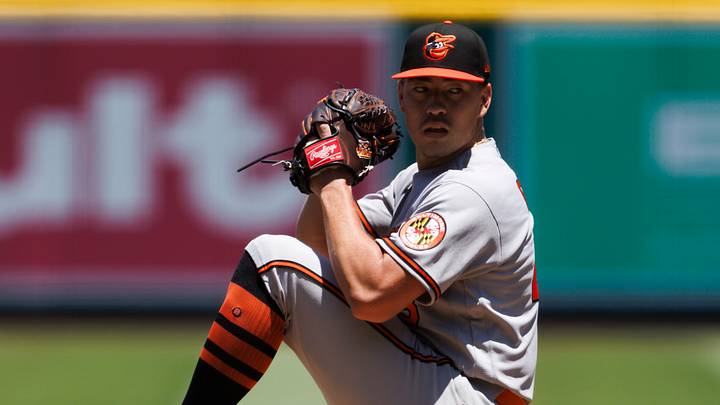
After quickly emerging as one of the top-ranked pitching prospects in baseball following his signing with the Orioles as an undrafted free agent out of Liberty University in 2024, Trey Gibson was expected to get his first shot in the majors in 2026, but a rash of early-season pitching injuries led to an earlier-than-anticipated big-league debut.
Gibson made his MLB debut in early May on the road at Yankee Stadium and flashed his potential in a short start against the Bronx Bombers, but he wasn’t able to firmly grab onto a role in the majors, struggling with walks and putting big-league hitters away.
He would spend the rest of the summer back in Triple-A, tweaking his delivery, altering his pitch mix, and working his way back to the big leagues for a second opportunity, which would come on September 23 against the Toronto Blue Jays. Gibson went 6 2/3 scoreless innings with two walks allowed and seven strikeouts, showcasing a more mature approach on the mound and a much-improved fastball. He made a statement that night and showed that he deserves a second chance to prove he belongs in the big leagues.
Expecting Gibson to have the kind of year-two breakout Brandon Young experienced this season might be a stretch, but if Gibson wants to remain firmly in the mix for a potential rotation spot, he’s going to have to consistently show that he can be the version of himself that pitched against Toronto.
Vance Honeycutt
A first-round pick by the Orioles out of UNC in the 2024 draft, Honeycutt entered pro ball with truly historic swing-and-miss issues in his game for a first-round pick. The questions surrounding his hit tool were immense, but there was no concern about his power, speed, athleticism, and defensive abilities out in center field.
Honeycutt appeared in 13 games between Single-A and High-A after being selected, striking out 43% of the time. The strikeout rate didn’t improve much in his first full season in 2025, as Honeycutt struck out 41% of the time and hit .171 in 101 High-A games.
He returned to High-A this season, hit .182, and saw his strikeout rate climb back up to 43%, but he was still deemed ready for Double-A by the Orioles late in the year and was promoted to Double-A for the final month of the season. Across 20 games, the former Tar Heel hit .288 with a 149 wRC+, slashing his strikeout rate to 25% and increasing his contact rate by nearly 10 percentage points to a still well below-average but much-improved 74%.
He’s showing that those 20 games weren’t some mirage. Now in the Arizona Fall League, Honeycutt is hitting .275 with a .500 on-base percentage, three home runs, and a 1.075 OPS. Not only is he showing plus power and strong swing decisions, but he’s also keeping the strikeout rate at around 27%, which is still high, but strikeouts are always going to be a part of his game.
His power, defense, and speed will get him to the big leagues. Every bit of development with his hit tool will decide how much of an impact he has once there. But if his struggles return in 2027 and all of the gains he’s made over the last three months regress, the shine could quickly come off his prospect status.
Juaron Watts-Brown
Juaron Watts-Brown may not be the most familiar name in the Orioles farm system, but he’s been a pitching prospect of particular interest for a couple of years now. A standout at Oklahoma State, Watts-Brown was drafted in the third round of the 2023 draft by the Toronto Blue Jays, who gave him a $1 million signing bonus ($229K above slot value).
He was traded to the Orioles at the 2025 deadline for reliever Seranthony Dominguez and cash considerations, immediately showing off his ability to pile up strikeouts as he fanned 43 in 35 innings in Double-A with the Orioles.
The 24-year-old righty entered 2026 as a top 30 prospect in the system, but a shoulder injury in spring training and struggles to find his footing once returning to the mound had many questioning whether he had hit his wall. But then it clicked. Over his final six Double-A starts, Watts-Brown put up a 3.13 ERA with a 30% strikeout rate and a 4.7% walk rate, this after walking 13.7% of batters over his previous 11 starts.
Unfortunately, things went off the rails in Triple-A. In 37 innings of work, Watts-Brown pitched to a 10.22 ERA, walking 37.
With a fastball that sits at 94 mph and plays up due to plus life and nearly seven feet of extension, and a slider that produced a 46% whiff rate in Triple-A (his curveball and changeup also produced extreme whiff rates in smaller samples), Watts-Brown has the makings of an intriguing starter, but his Triple-A performance did nothing to give the organization confidence in him, especially with a group of high-level arms charging up the depth chart behind him.
Maybe he needs more time to adjust to using the major league ball and navigating the Triple-A strike zone, and 2027 will bring an improvement, but if not, he could find himself on the Bowie-Norfolk shuttle, filling in where needed between levels as a minor league depth arm.
2027 won't necessarily be the last chance for any of these three players, but it could be the season that determines how the Orioles view each of them moving forward. For Gibson, it's about establishing himself as a legitimate big-league option. For Honeycutt, it's about proving his hit tool can catch up to his elite physical abilities. For Watts-Brown, it's about showing that his late-season Triple-A struggles were a bump in the road rather than the beginning of a downward slide.
 Add us as a preferred source on Google