%20%20--%3E%0A%3Csvg%20version%3D%221.1%22%20xmlns%3D%22http%3A%2F%2Fwww.w3.org%2F2000%2Fsvg%22%20xmlns%3Axlink%3D%22http%3A%2F%2Fwww.w3.org%2F1999%2Fxlink%22%20x%3D%220px%22%20y%3D%220px%22%0A%09%20viewBox%3D%220%200%20765.5%20200%22%20style%3D%22enable-background%3Anew%200%200%20765.5%20200%3B%22%20xml%3Aspace%3D%22preserve%22%3E%0A%3Cstyle%20type%3D%22text%2Fcss%22%3E%0A%09.st0%7Bfill%3A%23231F20%3B%7D%0A%09.st1%7Bfill%3A%23939598%3B%7D%0A%09.st2%7Bfill%3A%23FFFFFF%3B%7D%0A%09.st3%7Bfill%3A%23111111%3B%7D%0A%09.st4%7Bfill%3A%23F15A24%3B%7D%0A%09.st5%7Bfill%3A%236D6E71%3B%7D%0A%3C%2Fstyle%3E%0A%3Cg%20id%3D%22Template%22%3E%0A%3C%2Fg%3E%0A%3Cg%20id%3D%22Layer_2%22%3E%0A%09%3Cg%3E%0A%09%09%3Cpath%20class%3D%22st4%22%20d%3D%22M143%2C49.5c2.4-11.4-12.9-11.9-16.3-1.9C122.1%2C61.6%2C141.2%2C61.2%2C143%2C49.5z%22%2F%3E%0A%09%09%3Cpath%20class%3D%22st4%22%20d%3D%22M140.6%2C98.3C144.4%2C91%2C147.6%2C84%2C151%2C77c1%2C1%2C2.4%2C1.8%2C3.7%2C2.8c-1%2C3.6-3%2C9.4-5.5%2C14.3c-2.5%2C4.7-7.3%2C13.8-7.3%2C20.2%0A%09%09%09c0%2C8.2%2C7.3%2C11.8%2C14.7%2C11.5c9.3-0.3%2C17.1-8.4%2C22.9-18.2c-0.8%2C11.4%2C5%2C17.5%2C12.2%2C18c6.1%2C0.4%2C11.8-3.7%2C16.1-11.9%0A%09%09%09c0.3%2C7.1%2C4.4%2C12.6%2C14.5%2C12c11.9%2C0%2C20.2-14.2%2C26.4-27.9c2.1-4.3%2C4.1-8.5%2C6.3-12.6c2.2%2C7.5%2C10.8%2C11.9%2C8%2C19.9%0A%09%09%09c-3.6%2C10.2-12%2C5.3-10.4-3.9c-2.9%2C0.8-5.7%2C3.3-6.2%2C8.9c-1%2C10.1%2C5.3%2C15%2C12%2C15.6c2.8%2C0.1%2C5.3%2C0%2C7.6-0.7c11.5-3.2%2C23.3-16.3%2C28.7-30.7%0A%09%09%09l-1.8-2.9c-4%2C8-9.8%2C13.4-15%2C15.8c-1.4-9-10-14.8-10-25.5c0-1.4%2C0.1-2.8%2C0.4-4.2c0.6-1.1%2C1.4-2.8%2C2.6-2.8c1.8%2C0%2C3.9%2C3.9%2C2.4%2C6.4%0A%09%09%09c6.9%2C0%2C6-8.6%2C2.9-12.3c-1.4-1.7-3-3.5-7.5-3.5c-8%2C0-12.5%2C8.3-12.5%2C8.3v0.1c-1.9%2C3.9-5.3%2C14-11.4%2C23.1l0.1%2C0%0A%09%09%09c-9.1%2C12.8-18.3%2C10.7-16%2C1.6c1-3.6%2C17.2-36.4%2C30.3-60.4c-4%2C1.2-11.1%2C2.6-15.9-2.2l-19.8%2C39.2c0-15.1-27.3-11.9-40%2C17.2%0A%09%09%09c0%2C0%2C0%2C0%2C0%2C0.1c-3.9%2C7-8.2%2C11.2-12%2C14.1c-6%2C4.6-10.7%2C0.7-7.9-7.3c2.1-6.1%2C4.8-13.4%2C7.1-20.4c-1.4-0.3-9.6-0.4-17.2-6.6%0A%09%09%09c3.3-5.5%2C4.3-7.6%2C2.6-10.9c-1.7-3.2-8-5.5-10.9-1.9c-1.9%2C2.5-1.8%2C7.1%2C0%2C10.9c0%2C0.1%2C1%2C1.8%2C3%2C4.2c-2.7%2C6.2-6.5%2C15.4-10.6%2C21.7%0A%09%09%09c-9.3%2C13.8-19%2C11.8-16.6%2C2.5c1-3.6%2C2.9-8.2%2C16.1-32.1c-4%2C1.2-11.1%2C2.6-15.9-2.2l-17.6%2C34.9c-0.1%2C0.1-0.1%2C0.2-0.2%2C0.3%0A%09%09%09c-0.5-10.2-4.3-19.7-12.6-27c22.6-2.6%2C32.7-18%2C32.7-34C123.6%2C19.7%2C109%2C0.2%2C84%2C0.2C55.9%2C0.2%2C32.2%2C21%2C33.7%2C49%0A%09%09%09c0.5%2C3.7%2C7.1%2C7.2%2C13%2C6.6v-4.5c0.6-20.8%2C12-34.8%2C22.9-39.4c12.3-5%2C26.4-0.5%2C32.2%2C11.1c7.9%2C15.6-1.4%2C40.1-20%2C40.1%0A%09%09%09c-3.7%2C0-7.7-0.8-11.5-2.6l0.5%2C0.2l-1.3-0.6C79.5%2C37.2%2C87%2C28%2C93.8%2C23.9c-17-5.8-22-0.5-30.8%2C13.8c-30.9%2C50.2-30.5%2C79-63%2C93.1%0A%09%09%09c10.9%2C14.4%2C30%2C18%2C43-3.4c2.6%2C9%2C11.5%2C14.7%2C21.5%2C14.4C84%2C141.3%2C95.6%2C131%2C100.6%2C118c1.6%2C4.8%2C5.8%2C8.1%2C13.7%2C7.7%0A%09%09%09c11.7%2C0%2C20-13.9%2C26.2-27.5L140.6%2C98.3z%20M202.9%2C89.2c4.2-7.6%2C10-13.8%2C15-13.8c0.6%2C0%2C1.2%2C0.4%2C1.8%2C1.4c1%2C1.8%2C0.3%2C5-0.6%2C7.3l-7.6%2C15.1%0A%09%09%09l-0.7%2C1.1c-2.1%2C3.2-5.3%2C6.6-9.4%2C5.8C196.2%2C104.8%2C201.6%2C91.6%2C202.9%2C89.2z%20M55.5%2C120.7c-4%2C0.2-6.3-1.4-7.5-3.7%0A%09%09%09c0.5-1%2C0.8-2.2%2C1.3-3.4c6.1-18.3%2C11.4-32.7%2C16.2-44.4l2.9%2C1.1c0.2%2C0.2%2C0.6%2C0.3%2C0.8%2C0.3C91.5%2C82.5%2C88.2%2C120.1%2C55.5%2C120.7z%22%2F%3E%0A%09%09%3Cpath%20class%3D%22st4%22%20d%3D%22M306.2%2C84c-11.2-19.1%2C5.1-50.5%2C18.9-59.8c9-6.9%2C18-9.3%2C27.1-10.3c-2.6%2C2.2-5%2C5.5-6.6%2C9.9%0A%09%09%09c-6.4%2C17.2-27.7%2C60.6-16%2C89.4c3.8%2C9.3%2C12.7%2C17%2C25.2%2C23.6c1.3-0.8%2C6.6-10.1%2C14.3-24.8l5.9-11.2c0.6%2C4%2C1.8%2C8.2%2C3.5%2C12.5%0A%09%09%09c3.8%2C9.3%2C12.7%2C17%2C25.2%2C23.6c1.3-0.8%2C6.6-10.1%2C14.3-24.8c10.6-20.2%2C24.4-47.1%2C34.6-62.8c19.4-30%2C26-29.3%2C36.4-26.9%0A%09%09%09c5-21.6-22.8-18.8-33-6.4c-9.8%2C11.7-22.1%2C37.2-48.3%2C93.9c-0.3%2C0.8-9.5-6.9-10.4-24.4c-1.3-24.5%2C9.5-47%2C18.3-52.1%0A%09%09%09c-9.3-4.5-21.3-3.4-26.9%2C11.5c-1.6%2C4-3.5%2C8.3-5.5%2C12.8c-6.6%2C13.6-14.4%2C30.6-24.4%2C52.1c-0.3%2C0.8-9.1-8.7-8.5-26.1%0A%09%09%09c1.1-31.9%2C13.3-66%2C22.1-71.3h0.3c3.2-0.8%2C5-6.1%2C4.5-12.3l-5.8%2C2.9c-11.2%2C5.6-38.2%2C2.7-56.3%2C11.7c-18.3%2C9.1-38%2C37.2-29.8%2C62.7%0A%09%09%09C287.4%2C83.7%2C291.2%2C89.6%2C306.2%2C84z%22%2F%3E%0A%09%09%3Cpath%20class%3D%22st4%22%20d%3D%22M765.4%2C114.3c-0.1-0.9-0.2-1.7-0.4-2.5c-0.1-0.7-0.3-1.5-0.5-2.4c-0.2-0.8-0.5-1.5-0.8-2.3%0A%09%09%09c-0.3-0.8-0.7-1.5-1.1-2.2c-0.9-1.6-1.8-3-2.9-4.2c-1.1-1.2-2.4-2.3-3.9-3.3c-1.4-1-3-1.7-4.5-2.1c-0.9-0.3-1.7-0.5-2.5-0.7%0A%09%09%09c-0.7-0.1-1.5-0.2-2.4-0.3c-3-0.2-5.9%2C0.3-8.8%2C1.4c-0.3%2C0.1-0.5%2C0.2-0.8%2C0.3c-1.6%2C0.7-3%2C1.5-4.2%2C2.4c-0.8%2C0.6-1.5%2C1.2-2.2%2C1.9%0A%09%09%09c-0.4%2C0.4-0.9%2C0.8-1.3%2C1.3c-0.3%2C0.3-0.6%2C0.7-0.9%2C1.1c-1.5%2C1.5-3%2C2.7-4.4%2C3.8c-6%2C4.6-10.7%2C0.7-7.9-7.3c2.1-6.1%2C4.8-13.4%2C7.1-20.4%0A%09%09%09c-1.4-0.3-9.6-0.4-17.2-6.6c3.3-5.5%2C4.3-7.6%2C2.6-10.9c-1.7-3.2-8-5.5-10.9-1.9c-1.9%2C2.5-1.8%2C7.1%2C0%2C10.9c0%2C0.1%2C1%2C1.8%2C3%2C4.2%0A%09%09%09c-2.8%2C6.5-6.7%2C16.1-11%2C22.4c-6.4%2C8.9-16.5%2C15-24%2C13.7c-6.6-1.1-8.2-6.5-6.5-13.8c3.2%2C2.2%2C25.5%2C3.6%2C28.2-15.5%0A%09%09%09c0-9-6.1-16.9-19.5-13.8c-10.4%2C2.3-21.4%2C14.3-26.1%2C27c-3.4%2C5.6-6.5%2C8.3-10%2C11c-6%2C4.6-12.5%2C0-8.2-7.3c6-10.1%2C13.7-31.4-5.5-31.4%0A%09%09%09c-4.4%2C0-9.1%2C3.6-13.8%2C8.9c7.3-14.4%2C14.5-28.5%2C19.2-37.1c-4%2C1.2-11.1%2C2.6-15.9-2.2l-29.2%2C58.3c-6.6%2C10.8-17.4%2C17.8-25.7%2C16.4%0A%09%09%09c-16.1-2.8-1.1-36.4%2C11.5-35.4c3.2%2C4.8-0.7%2C12.9-6.6%2C13.2c0%2C0%2C0%2C6.9%2C6.9%2C5.7c13.6-2.5%2C13.2-31.8-9.6-26.7%0A%09%09%09c-10.4%2C2.3-21.4%2C14.3-26.1%2C26.9c-9.6%2C15.8-20.3%2C14.1-17.8%2C4.4c0.6-2.2%2C7.2-15.9%2C15.2-31.7c1.9%2C0.1%2C4%2C0.3%2C5.5%2C0.3%0A%09%09%09c8.6%2C0.1%2C5.7-10.1%2C5.7-10c-2.1%2C1.8-4.7%2C2.6-7.8%2C2.9c3.7-7.5%2C7.9-15%2C11.6-21.9c-4%2C1.2-11.1%2C2.6-15.9-2.2L514%2C58.7%0A%09%09%09c-2.1-0.4-3.9-0.6-5.5-0.7c-6.8-0.4-7.3%2C3.6-7.3%2C9.3c1.1-1.5%2C4.8-1.9%2C9.4-1.8l-15.3%2C30.4c-9.3%2C14-19.1%2C12.1-16.7%2C2.7%0A%09%09%09c1-3.6%2C2.9-8.2%2C16.1-32.1c-4%2C1.2-11.1%2C2.6-15.9-2.2L473.1%2C75c0-15-27.3-11.8-40%2C17.3c-9.3%2C21.2-1.8%2C32.5%2C8%2C33.2%0A%09%09%09c6.1%2C0.4%2C11.8-3.7%2C16.1-11.9c0.3%2C7.1%2C4.4%2C12.6%2C14.5%2C12c7.2%2C0%2C13.1-5.3%2C18.1-12.5c0.1%2C7.2%2C4.1%2C13.1%2C14.5%2C12.5%0A%09%09%09c9.3%2C0%2C16.5-8.8%2C22.2-19.3c0%2C4.1%2C0.8%2C7.7%2C2.5%2C10.8l0.1%2C0.1c3.7%2C6.1%2C10.5%2C9%2C16.9%2C9.3c7.9%2C0.8%2C14.4-2.2%2C19.7-7l-3%2C5.9l16.9%2C0.1%0A%09%09%09c1.1-2.8%2C5.4-11.5%2C10.8-22.6c6.5-10.9%2C17.6-28.1%2C21.7-28c2.5%2C0.1%2C4.2%2C4.2-3.6%2C18.8c-2.5%2C4.7-7.3%2C13.8-7.3%2C20.2%0A%09%09%09c0%2C8.2%2C7.5%2C12%2C14.8%2C11.8c9.7-0.4%2C17.6-9.4%2C23.4-19.7c0%2C0%2C0%2C0%2C0%2C0c0%2C4.2%2C0.8%2C7.8%2C2.5%2C10.9l0.1%2C0.1c3.7%2C6.1%2C10.5%2C9%2C16.9%2C9.3%0A%09%09%09c17.1%2C1.8%2C27.7-14.3%2C34.1-28.4l0.1%2C0c3.7-7.3%2C6.9-14.3%2C10.4-21.3c1%2C1%2C2.4%2C1.8%2C3.7%2C2.8c-1%2C3.6-3%2C9.4-5.5%2C14.3%0A%09%09%09c-2.5%2C4.7-7.3%2C13.8-7.3%2C20.2c0%2C8.2%2C7.3%2C11.8%2C14.7%2C11.5c7.3-0.2%2C13.6-5.3%2C18.8-12.1c1-1.3%2C2-2.7%2C2.9-4.2c0.5-0.7%2C0.9-1.5%2C1.4-2.2%0A%09%09%09c0.4-0.5%2C0.8-1.1%2C1.4-1.7c1.5-1.8%2C3.4-3.1%2C5.7-4c1.1-0.4%2C2.3-0.7%2C3.4-0.9c0.6-0.1%2C1.2-0.1%2C1.8-0.2c0.5%2C0%2C1%2C0%2C1.5%2C0.1l0.2%2C0%0A%09%09%09c2.3%2C0.2%2C4.4%2C1%2C6.2%2C2.3c0.4%2C0.4%2C0.9%2C0.7%2C1.3%2C1.1c0.4%2C0.3%2C0.7%2C0.7%2C1.1%2C1.3c0.3%2C0.4%2C0.6%2C0.8%2C0.9%2C1.3c0.3%2C0.5%2C0.6%2C1%2C0.8%2C1.5%0A%09%09%09c0.4%2C1%2C0.7%2C2.1%2C0.9%2C3.2c0.2%2C1.2%2C0.4%2C2.4%2C0.4%2C3.5c0%2C1.2-0.1%2C2.4-0.3%2C3.7l0%2C0.2c0%2C0.2%2C0%2C0.5%2C0%2C0.7c0%2C0.3-0.1%2C0.6-0.1%2C0.8%0A%09%09%09c-0.1%2C0.3-0.2%2C0.5-0.2%2C0.7l-0.3%2C1.3c-0.1%2C0.5-0.3%2C1-0.5%2C1.5l-0.6%2C1.6c-0.6%2C1.1-1.1%2C2.1-1.7%2C2.9c-1.3%2C1.9-3%2C3.7-4.8%2C5.3%0A%09%09%09c-1.9%2C1.5-3.9%2C2.9-6.2%2C4.2c-2.1%2C1.2-4.4%2C2.3-6.9%2C3.4c-2.5%2C1-4.9%2C1.9-7.3%2C2.6c-2.5%2C0.8-5.1%2C1.5-7.7%2C2.1c-2.6%2C0.6-5.2%2C1.2-7.8%2C1.8%0A%09%09%09c-1.3%2C0.2-2.7%2C0.5-3.9%2C0.7c-1.2%2C0.3-2.5%2C0.5-3.9%2C0.7s-2.8%2C0.4-4.3%2C0.6c-1.5%2C0.2-3.2%2C0.3-5.1%2C0.5c-3.7%2C0.4-7.5%2C0.7-11.2%2C0.9%0A%09%09%09c-3.8%2C0.2-7.6%2C0.5-11.4%2C0.8c-3.8%2C0.2-7.5%2C0.4-11.3%2C0.6l-11.4%2C0.4c-7.7%2C0.3-15.5%2C0.5-23%2C0.7l-23%2C0.4c-7.7%2C0.1-15.5%2C0.2-23.2%2C0.3%0A%09%09%09c-7.7%2C0-15.4%2C0.1-23.3%2C0.2l-23.4%2C0.3l-23.5%2C0.1c-3.9%2C0-9.5%2C0-16.7%2C0.1c-7.2%2C0-15.6%2C0.1-25%2C0.1c-9.4%2C0-19.6%2C0.1-30.5%2C0.1%0A%09%09%09c-10.9%2C0-22%2C0-33.3%2C0.1c-11.3%2C0-22.4%2C0.1-33.3%2C0.1c-11%2C0-21.2%2C0-30.6%2C0.1c-9.4%2C0-17.7%2C0.1-25%2C0.1h-63.5l-35-0.2h-5.7l-5.9-0.1H195%0A%09%09%09l-11.7-0.2c-1.9%2C0-3.8%2C0-5.8-0.1c-2%2C0-3.9-0.1-5.8-0.1c-4-0.1-7.8-0.1-11.9-0.2l-30.9-0.4l-0.2%2C2.5c11.7%2C1.2%2C24.3%2C2.6%2C37.5%2C4.2%0A%09%09%09c13.1%2C1.5%2C26.5%2C3.3%2C40%2C5.5c13.4%2C2.1%2C26.9%2C4.7%2C40.2%2C7.6c13.2%2C2.9%2C26%2C6.5%2C38%2C10.6c12%2C4.1%2C23.3%2C8.9%2C33.5%2C14.4%0A%09%09%09c0.8%2C0.5%2C1.7%2C0.9%2C2.5%2C1.4l356.4-31.2c7.7-1.2%2C15.4-2.4%2C22.9-3.6c1.9-0.3%2C3.6-0.6%2C5.1-0.9c1.5-0.3%2C2.8-0.6%2C4.1-0.9%0A%09%09%09c1.3-0.3%2C2.5-0.6%2C3.7-1c1.2-0.3%2C2.5-0.7%2C3.8-1.2c2.8-0.9%2C5.5-1.8%2C8.2-2.8c2.7-1%2C5.5-2.1%2C8.2-3.3c1.3-0.6%2C2.7-1.2%2C4-1.8%0A%09%09%09c1.3-0.6%2C2.7-1.3%2C3.9-2c2.7-1.4%2C5.3-3%2C7.8-4.7c1.3-0.9%2C2.5-1.8%2C3.7-2.8c1.2-1%2C2.3-2.1%2C3.5-3.2c2.3-2.3%2C4.2-4.8%2C5.9-7.6%0A%09%09%09c1.7-3%2C2.8-6.1%2C3.4-9.3l0-0.5l0.1-0.3v-0.5c0.1-0.3%2C0.1-0.7%2C0.1-1.1c0.1-0.4%2C0.1-0.7%2C0.2-1.1c0-0.4%2C0.1-0.8%2C0.1-1.2v-2.3%0A%09%09%09C765.5%2C115.9%2C765.4%2C115.1%2C765.4%2C114.3z%20M677.2%2C75.2c3.3%2C7.5-8.4%2C18.6-16.2%2C15.8C664.5%2C82.5%2C671.1%2C74.8%2C677.2%2C75.2z%20M468.7%2C84%0A%09%09%09l-7.6%2C15.1l-0.7%2C1.1c-2.1%2C3.2-5.3%2C6.6-9.4%2C5.8c-5.3-1.2%2C0.1-14.4%2C1.5-16.9c4.2-7.6%2C10-13.8%2C15-13.8c0.6%2C0%2C1.2%2C0.4%2C1.8%2C1.4%0A%09%09%09C470.2%2C78.5%2C469.5%2C81.5%2C468.7%2C84z%22%2F%3E%0A%09%3C%2Fg%3E%0A%3C%2Fg%3E%0A%3C%2Fsvg%3E%0A)

If you took a look around the Baltimore Orioles’ clubhouse and pointed fingers at which part of the roster was most responsible for missing out on the postseason this year, the infield would probably be the last place you’d look. It’s true that Gunnar Henderson failed to live up to expectations in 2026, but there were more obvious holes throughout the roster that wound up costing the team a chance at contention.
Thanks to a number of injuries and young players struggling to find their footing in the big leagues, the Orioles’ infield was far from perfect this season. However, a few standout players put up excellent seasons that at least gave the Orioles a fighting chance at the postseason. Like any team, Baltimore was only as strong as its weakest link, though.
The Orioles’ infield had some clear brights spots this season
Despite Pete Alonso’s herculean efforts this season, the Orioles could only go as far as players like Jackson Holliday and Jeremiah Jackson carried them. After infielder Jordan Westburg was lost for the season with a partial UCL tear, the team scrambled to replace his bat in the lineup. And while he was never the greatest defender out in the field, his absence at second and third base was felt throughout the first half of the season.
Overall, the Orioles’ infield was far from perfect in 2026. With that said, they still receive a passing grade as a whole due to the outstanding performance of a few key players. The group won’t be rewarded with honors or a pizza party, but they can’t really complain about that, now can they?
In order for an individual Orioles player to receive a grade, they had to finish the season on the roster and have at least 200 plate appearances.
Pete Alonso: A+
The Orioles got everything that they paid for from Alonso and then some. After signing him to a five-year, $155 million contract this offseason, the team needed him to be an impact player for them in 2026. Not only was he that impact player, but he was also their best player all season. Alonso led the American League with his 43 home runs and 113 RBI on his way to putting up a 5.0 fWAR season in Baltimore.
Alonso still leaves a lot to be desired with the glove, but he doesn’t need to be a skilled defender at this point in his career. If he can come close to duplicating his spectacular 2026 season throughout the majority of the remainder of his contract, the Orioles could become postseason contenders again fairly quickly. But as we saw this season, Alonso just can’t do it all by himself. He’ll need teammates to step up.
Christian Encarnacion-Strand: B+
Although he wasn’t initially in the Orioles' long-term plans, Christian Encarnacion-Strand was one of the players in the clubhouse who stepped up this season. After essentially being given away by the Cincinnati Reds, Encarnacion-Strand went on one heck of a revenge tour to prove that he belonged in the big leagues. He boasted an .838 OPS in 195 at-bats this season, adding 11 home runs and 39 RBI.
Outside of Alonso, Encarnacion-Strand was clearly one of the Orioles’ best infielders this season, and he played in just 58 games for the team. Encarnacion-Strand still has a decent amount of holes in his game, which includes his plate discipline and concerning 5.2% walk rate. However, with his solid glove and ability to drive in runs, the Orioles may be willing to put up with his flaws and make him the long-term option at third base.
Blaze Alexander: B
When Blaze Alexander is in the lineup, he has the ability to become a real difference-maker for the Orioles. That’s obvious from his 1.5 fWAR in 93 games. But as you might imagine, with less than 100 games played in 2026, the problem with Alexander was that he was simply unable to stay in the lineup throughout the season. After suffering a left-hand fracture in July and missing over a month of playing, Alexander then suffered a season-ending lower back injury in early September.
It’s a shame because he was hitting .303 in 261 at-bats this season. With just 19 extra-base hits, Alexander isn’t exactly a middle-of-the-order threat to drive in runs. But with an average exit velocity of 92.3 this season, his ability to hit the ball hard will always be a welcome sight in the Orioles' lineup. If he can stay healthy in 2027, Alexander could become a name to watch out for to break out in a big way.
Coby Mayo: B
After a lukewarm first half of the season, it would have been very easy for the Orioles to send Coby Mayo back down to the minor leagues for the rest of the year. His .193/.264/.395 slash line heading into the All-Star break was as disappointing as it was costly to the team’s playoff chances. His 80 strikeouts in just 223 at-bats made it difficult to continue penciling him into the starting lineup game after game.
That all changed for Mayo coming out of the All-Star break. In his final 58 games this season, the 24-year-old sported a .876 OPS. He became one of the Orioles’ best hitters to close out the year, clubbing 12 home runs and driving in 29 runs in the second half. His production at the plate was desperately needed, considering a few Orioles infielders struggled mightily, including the team’s superstar shortstop.
Gunnar Henderson: C
If 24 home runs in a season is considered a dreadful year, then you know you must be a special player. But that’s exactly how you could describe Henderson’s 2026 campaign. While his 3.6 fWAR ranked as the third-highest on the Orioles this season, more was expected from the 2023 Rookie of the Year. A .715 OPS in 623 at-bats will never be good enough for the face of the franchise.
2026 was also Henderson’s second consecutive down year. Although he once again battled through an undisclosed injury for a large portion of the season, his regression has been cause for concern. With Henderson set to become a free agent after the 2028 season, the Orioles will need to discuss the viability of offering him a long-term contract. He’s still a high-level player, but will he be worthy of becoming the highest-paid shortstop in baseball in two years?
Samuel Basallo: C-
The jury is still out on whether Samuel Basallo will be the Orioles’ long-term solution at catcher. Despite showing some promise in 2026, there is still a lot of room for improvement for the 22-year-old catcher. In 360 at-bats this season, Basallo posted a meager .222/.291/.406 slash line. Although he hit 18 home runs and knocked in 54 runs, he also struck out 106 times while collecting just 32 free passes. Not the worst mix, but he’ll need to improve his plate discipline moving forward.
The Orioles made a clear indication that they were riding with Basallo when they traded Adley Rutschman to the Boston Red Sox at the trade deadline. That was a big ask for a player who has yet to play in 150 Major League games. But as one of the organization's top prospects over the last few years, Basallo needed to be put to the test. 2026 wasn’t a great year for the young catcher, but he has plenty to build on going into next season. He’ll just need to address his ability to call a game if he intends to stay behind the plate.
Jeremiah Jackson: D
After becoming an exciting breakout player last season, it looked like the Orioles may have found a hidden gem in Jackson. But if you looked close enough at his underlying metrics, there were warning signs that he could be a flash in the pan. Unfortunately, those warning signs accurately predicted a drop-off season for Jackson in 2026. In 277 at-bats, he was only able to muster a .611 OPS while showcasing below-average range in the field.
Jackson’s regression was a hard pill to swallow for fans who fell in love with the infielder's motor and his long journey to get to the majors. Moving forward, it doesn’t make a whole lot of sense to keep Jackson on the roster as a utility player, considering the fact that he’s not the strongest defender out there. Although he did hit 10 home runs in 2026, will that moderate amount of pop be enough to keep Jackson around next season?
Jackson Holliday: D-
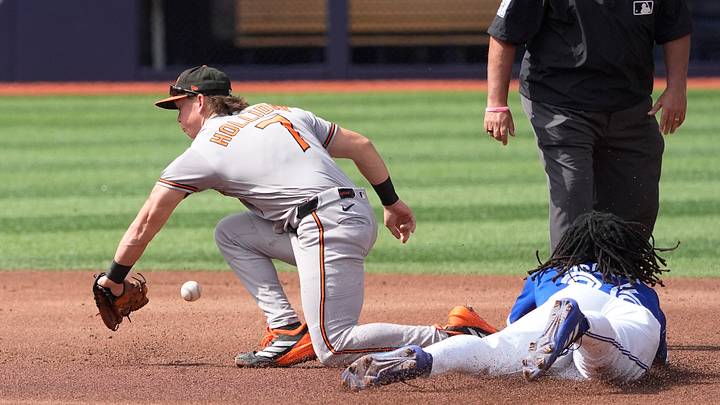
2026 was yet another disappointing entry into the early career of Holliday. On top of a handful of injuries throughout the season, Holliday posted an anemic .640 OPS in 315 at-bats for the Orioles. Despite being slated as a future staple of the team’s infield for years to come, Holliday has battled to even become a serviceable player at this point. He’ll be 23 years old at the start of next season, so he still has plenty of time to turn the corner in his development. But that corner keeps drifting further and further away.
Is Holliday the worst player to ever put on a Major League uniform? Of course not. That doesn’t mean that he isn’t on track to become one of the most disappointing busts of the last decade, though. With players like Zach Neto, Chase DeLauter, and Sal Stewart taken well after Holliday in the 2022 MLB Draft, it is easy to play the what-if game four years later. But Holliday was a highly-touted high school player with MLB pedigree and a 70-grade hitting ability. If he can tap into that talent next season, all will be forgotten. That's a big if, though.
 Add us as a preferred source on Google